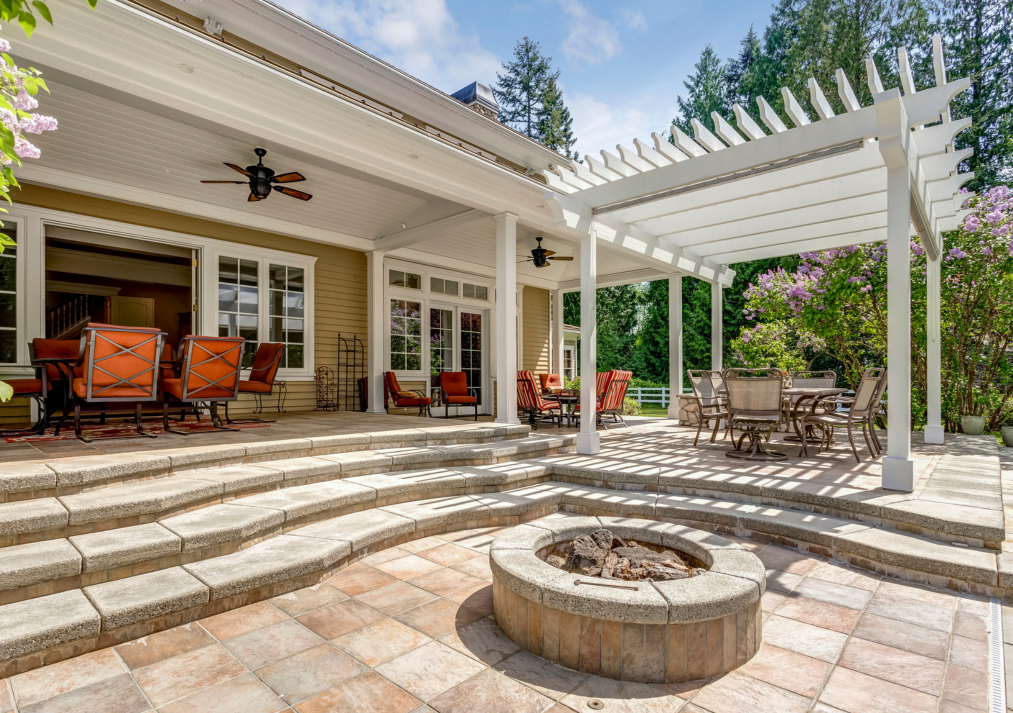
Coastal landscaping in Tidewater Virginia presents homeowners with a unique opportunity to create beautiful outdoor spaces that reflect the region’s natural character. Stretching along the Chesapeake Bay and its many tributaries, this region is known for its waterfront properties, sandy soils, humid summers, and occasional salt exposure. While these conditions create stunning views and a desirable coastal lifestyle, they also present several landscaping challenges that require thoughtful planning and plant selection.
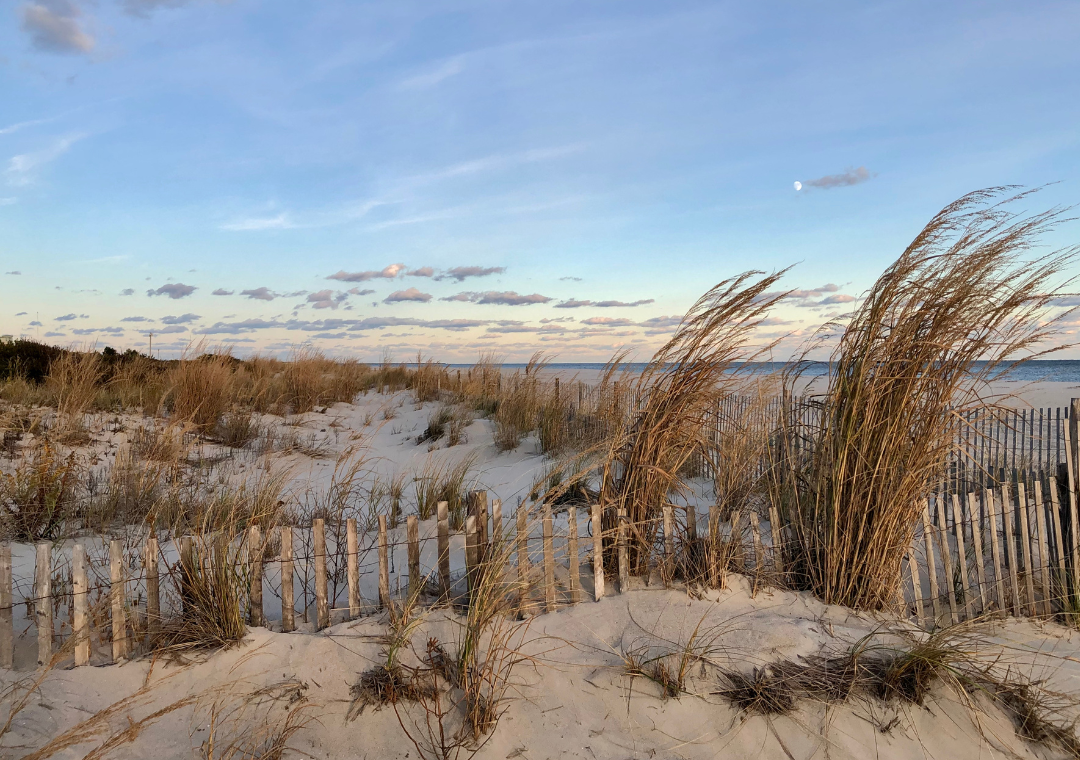
Understanding the Coastal Environment
Unlike inland landscapes, coastal properties must contend with factors such as salt spray, strong winds, erosion, fluctuating moisture levels, and nutrient-poor soils. Properties located directly on the water often experience greater exposure to these conditions, while even homes several miles inland may feel the effects of coastal weather patterns.
The key to successful coastal landscaping is working with the environment rather than against it. Selecting plants that naturally thrive in these conditions can reduce maintenance requirements, conserve water, and create a more resilient landscape.
Salt-Tolerant Plants for Tidewater Virginia
One of the most important considerations for coastal landscapes is plant salt tolerance. Salt carried by ocean breezes and storm events can damage sensitive plants by drying foliage and disrupting nutrient uptake. Fortunately, many attractive plants perform exceptionally well in coastal settings.
Trees
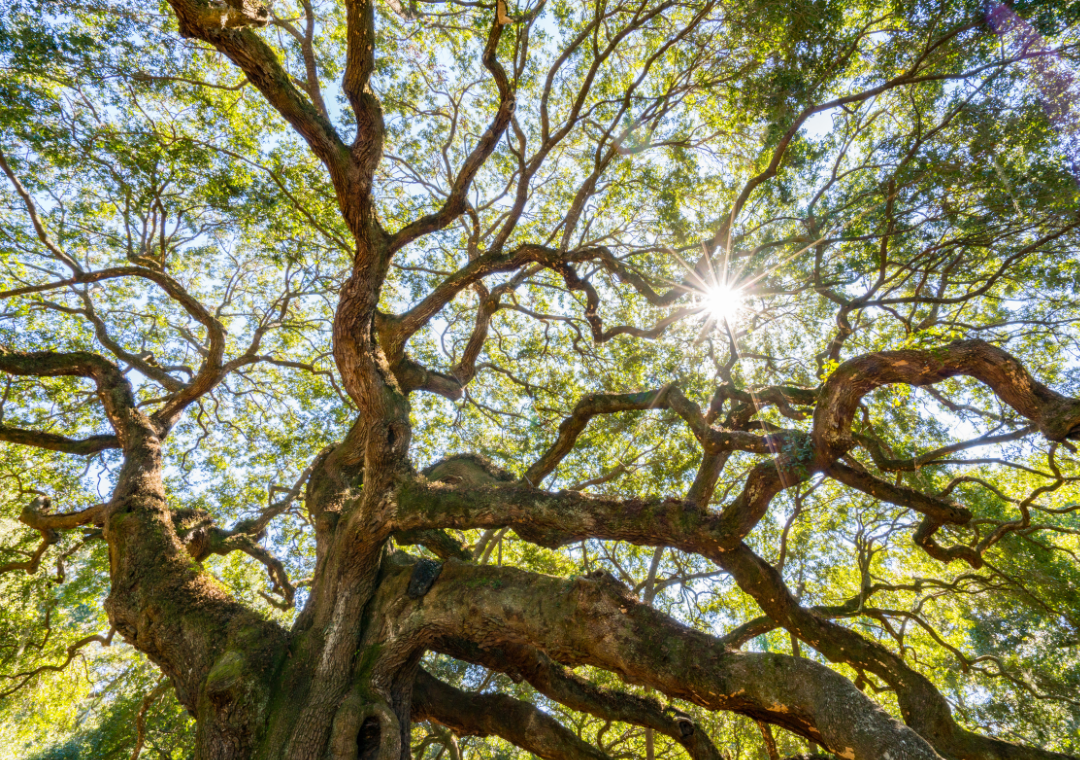
- Southern Live Oak (Quercus virginiana) is one of the most iconic coastal trees in the southeastern United States. Its broad canopy, strong limbs, and excellent salt tolerance make it a valuable shade tree for waterfront properties.
- Eastern Red Cedar (Juniperus virginiana) is another reliable option. This native evergreen tolerates wind, drought, and salty conditions while providing year-round color and wildlife habitat.
- Wax Myrtle (Morella cerifera) serves as either a large shrub or small tree and thrives in coastal environments. Its fragrant foliage and adaptability make it a popular choice throughout the Tidewater region.
Shrubs
- Yaupon Holly (Ilex vomitoria) offers evergreen foliage, excellent salt tolerance, and attractive red berries that attract birds.
- Virginia Sweetspire (Itea virginica) provides seasonal interest with fragrant spring flowers and vibrant fall color. As a native species, it adapts well to local conditions.
- Bayberry (Myrica pensylvanica) is another coastal favorite known for its durability and ability to withstand sandy soils and salt exposure.
Ornamental Grasses
- Muhly Grass (Muhlenbergia capillaris) produces stunning pink flower plumes in the fall and adds movement and texture to the landscape.
- Switchgrass (Panicum virgatum) is a native grass that thrives in a variety of soil conditions and provides year-round visual interest.
Perennials and Groundcover
- Black-Eyed Susan (Rudbeckia hirta), Coreopsis, and Blanket Flower (Gaillardia) provide colorful blooms while tolerating heat, drought, and coastal conditions.
- Juniper (different varieties) Juniper can serve as a beautiful hardy groundcover that can endure the environment while helping with erosion and reducing bare space in beds
Common Coastal Landscaping Challenges
While plant selection is critical, homeowners should also understand the unique obstacles that coastal landscapes present.
Salt Spray Damage
Salt spray is one of the most common issues near the Chesapeake Bay and Atlantic coastline. Salt deposited on leaves can cause browning, leaf burn, and stunted growth. Plants closest to the water typically require the highest level of salt tolerance.
Strategic placement of hardscape features, fences, or salt-tolerant buffer plantings can help protect more sensitive plants located further inland on the property.
Sandy and Poor Soils
Many Hampton Roads properties contain sandy soils that drain quickly and hold fewer nutrients than heavier clay soils. While good drainage can benefit some plants, it often means landscapes require additional organic matter to support healthy growth.
Incorporating compost and organic mulch can improve soil structure, increase moisture retention, and provide essential nutrients.
Erosion and Shoreline Stability
Properties located on slopes or near waterways often face erosion concerns. Heavy rainfall, wave action, and storm surge can gradually remove soil and damage landscapes.
Deep-rooted native plants, ornamental grasses, and properly designed rain gardens can help stabilize soil while enhancing the property’s appearance. In some cases, living shoreline techniques may provide environmentally friendly erosion control solutions.
Strong Winds
Coastal winds can place significant stress on trees, shrubs, and flowering plants. Wind can cause dehydration, broken branches, and uneven plant growth.
Creating windbreaks using native evergreens and layered plantings can reduce exposure and improve overall landscape performance.
Flooding and Storm Events
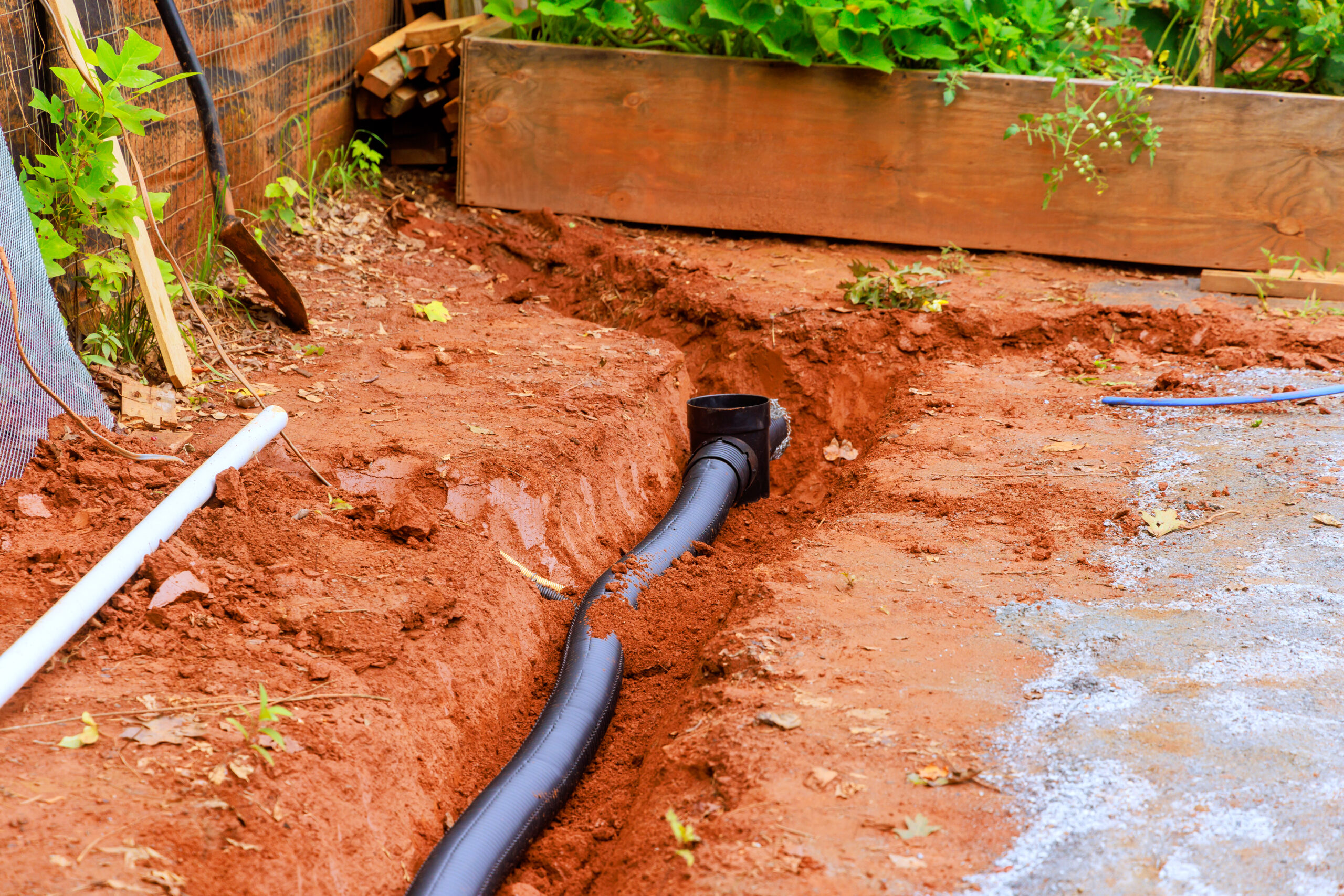
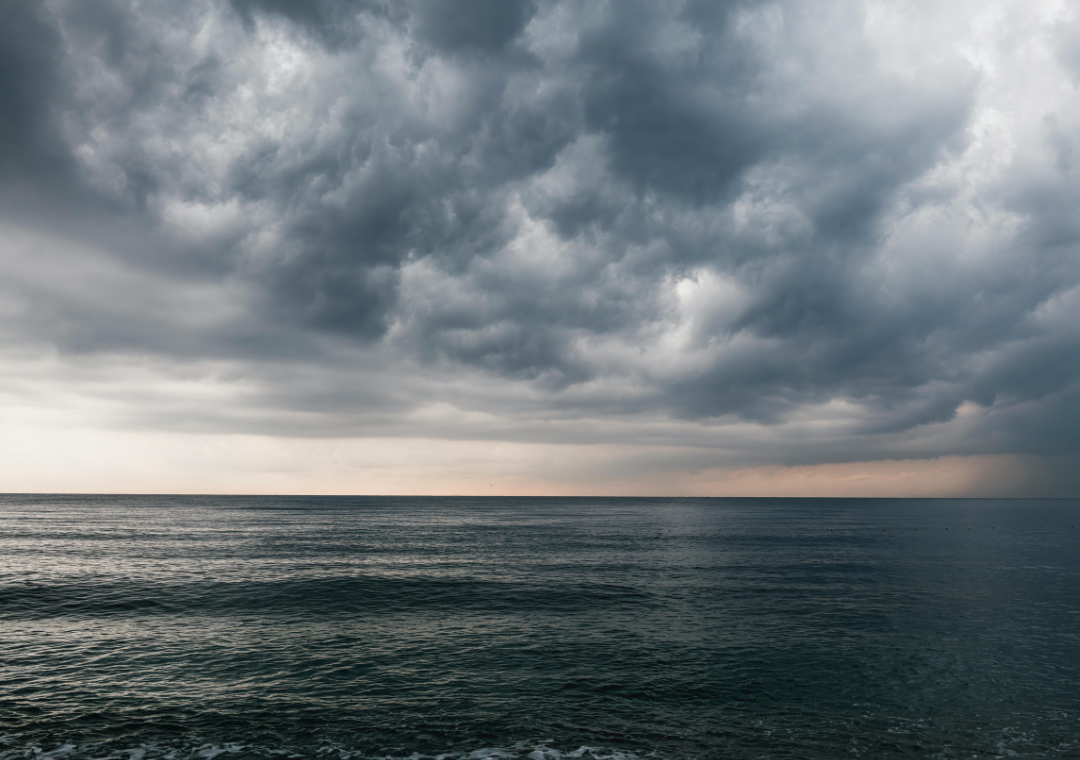
This area occasionally experiences tropical storms, hurricanes, and flooding events. Landscapes designed with resilience in mind are more likely to recover quickly after severe weather. Selecting flood-tolerant plants, ensuring proper drainage, and avoiding excessive grading can help minimize storm-related damage.
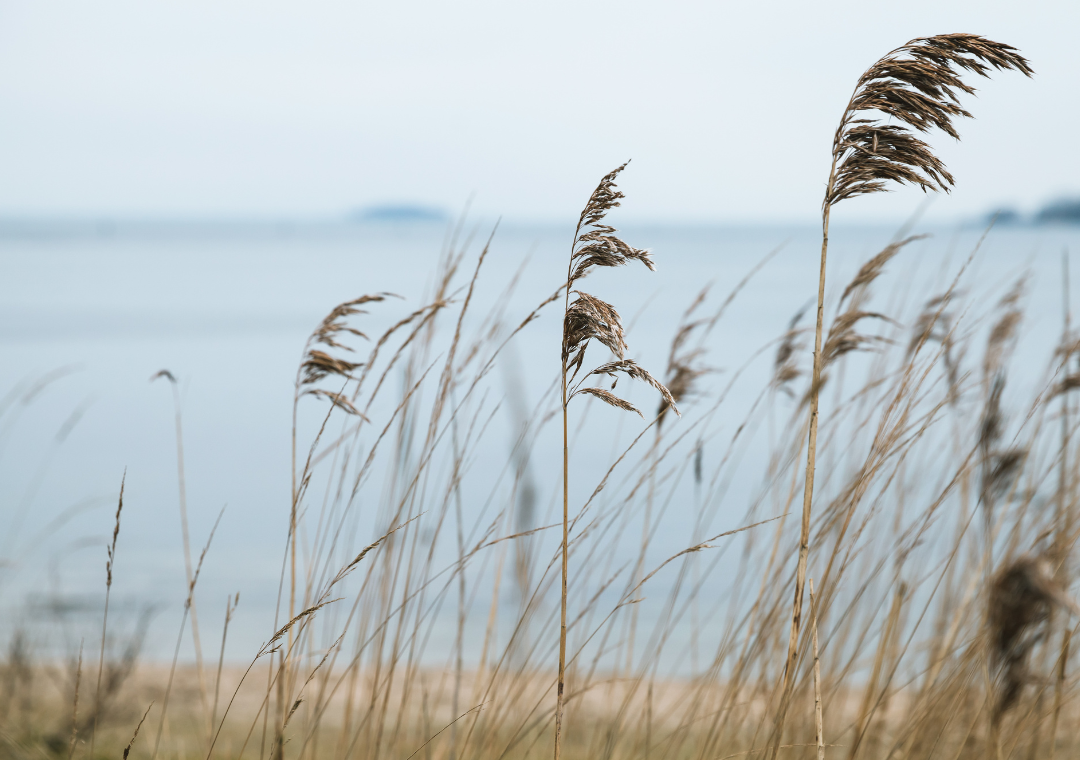
Creating a Sustainable Coastal Landscape
The most successful coastal landscapes mimic natural coastal ecosystems. Native plants not only tolerate local conditions but also support pollinators, birds, and beneficial insects. Combining salt-tolerant trees, shrubs, grasses, and perennials creates layers of interest while improving resilience.
Mulching planting beds, using efficient irrigation practices, and minimizing chemical inputs can further enhance sustainability. Homeowners who embrace the natural beauty of our area often find that their landscapes require less maintenance while providing year-round enjoyment.
Coastal landscaping requires thoughtful planning, but the results can be both beautiful and durable. By selecting salt-tolerant plants, addressing challenges such as erosion and poor soils, and working with the natural environment, homeowners can create landscapes that thrive despite coastal conditions. Whether you’re designing a waterfront retreat or updating an inland property influenced by coastal weather, choosing the right plants and strategies will help ensure long-term success and curb appeal.
Love what you read? You’ll love what you see.
Check us out on our YouTube Channel for design tours, behind the scenes and more. @thelandscapelegend