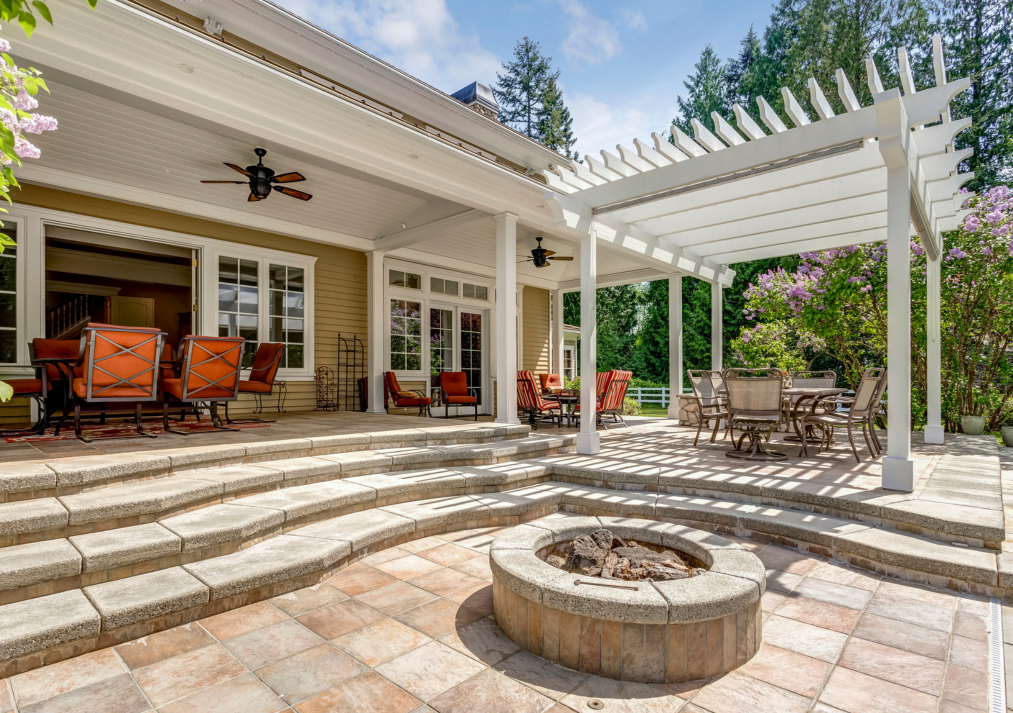
If you’re a new homeowner planning your first outdoor project or you have been in a home for years ready for something new, landscaping can raise a lot of questions. Below are five of the most common FAQs we get asked in the landscape industry, along with some answers to help you make informed decisions about your landscaping ambitions.
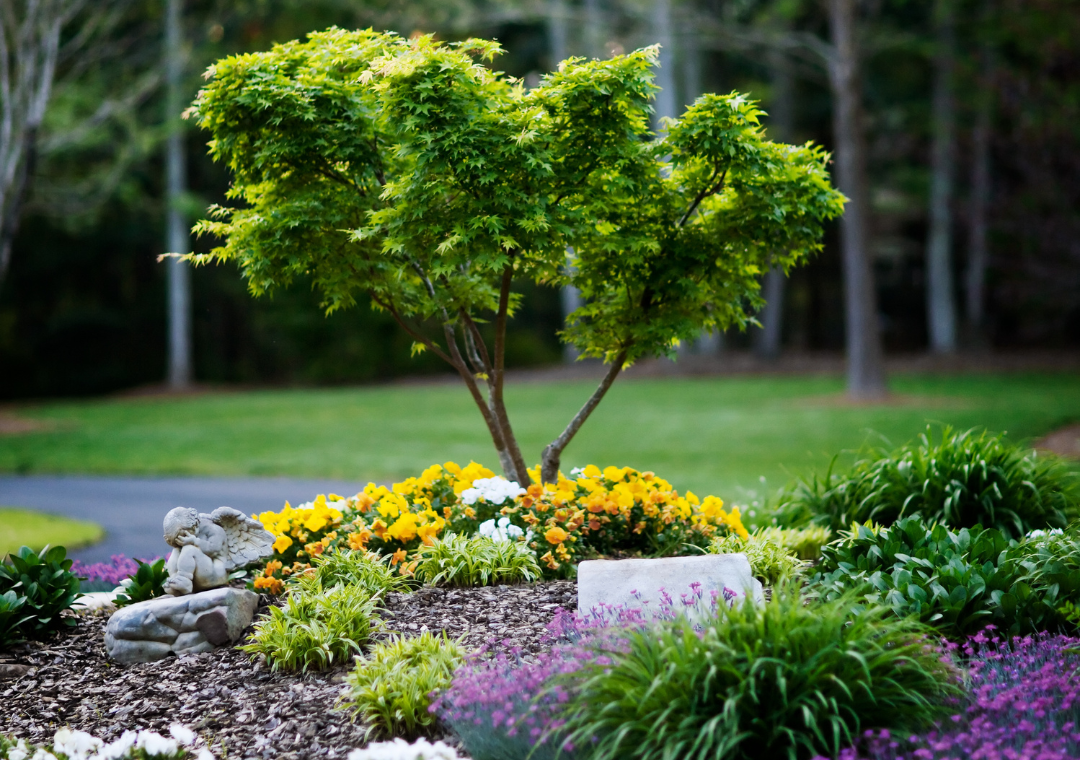
1. How Much Does Landscaping Typically Cost?
One of the first questions people ask is about cost, and understandably so. Landscaping prices can vary widely depending on the size of the property, scope of work, materials used, and your geographic location. A simple refresh with new plants and mulch may cost a few thousand dollars, while a complete outdoor transformation with patios, lighting, irrigation, and custom features can range into the tens of thousands or more. A lot of pricing can be controlled by the materials you use. One of the best examples of this is the starting size for plant material. If you can be patient, starting smaller can cut costs dramatically, however at times, the project you want done may require a larger sized plant, so pick and choose where you use larger material.
It’s important to think of landscaping as an investment rather than just an expense. Professionally designed and installed landscapes can significantly increase property value and curb appeal. The best approach is to establish a realistic budget early and work with a landscape professional to prioritize features that deliver the most impact for your goals.
2. When Is the Best Time to Start a Landscaping Project?
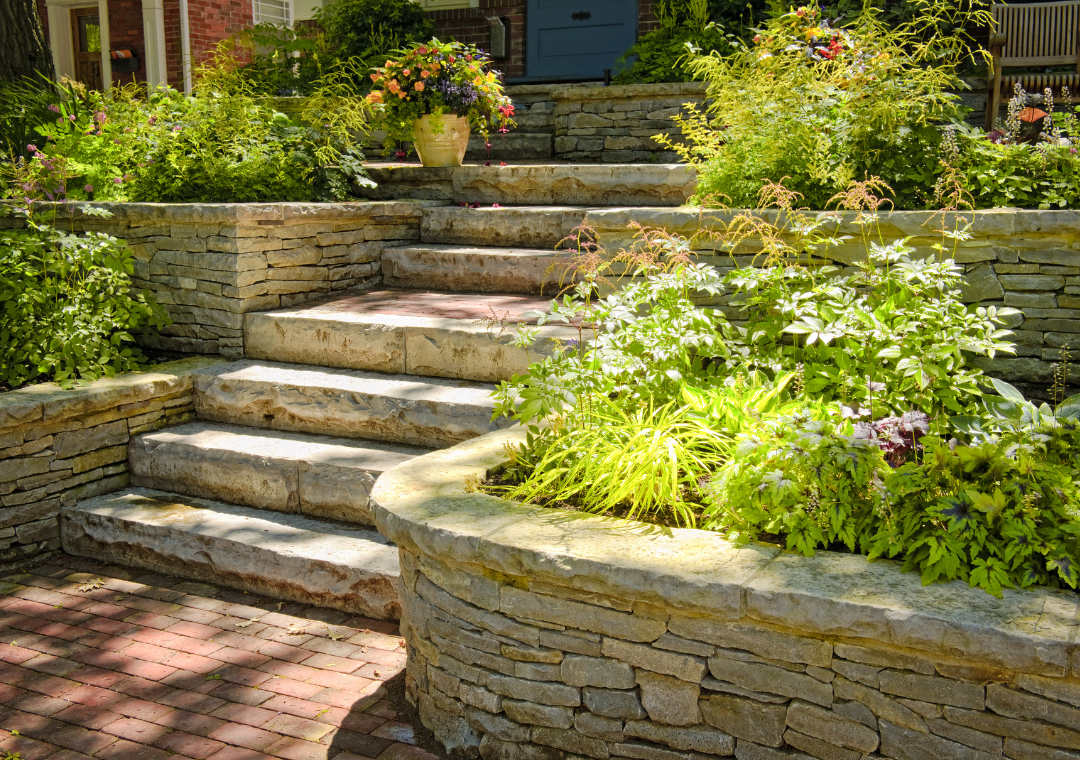
Timing can play a major role in the success of your landscaping project. Spring and fall are generally ideal for planting because temperatures are moderate and plants have time to establish roots before extreme heat or cold sets in. However, hardscaping projects, such as patios, walkways, and retaining walls, can often be completed throughout the entirety of the year, depending on climate. That being said, in the Tidewater area of Virginia and more southern climates, landscaping can take place year around, just be prepared for dormant perennials in the winter and plenty of watering in the summer!
Planning ahead is crucial. Reputable landscape companies, like us here at McDonald Landscapes often book out weeks or even months in advance during peak seasons. If you’re aiming for a summer-ready backyard, it’s wise to start estimates in winter or early spring to secure your spot and allow enough time for design and installation. So even if it’s not the best time to plant, it’s always a great time to give us a call to start the process!
3. How Do I Choose the Right Plants for My Yard?
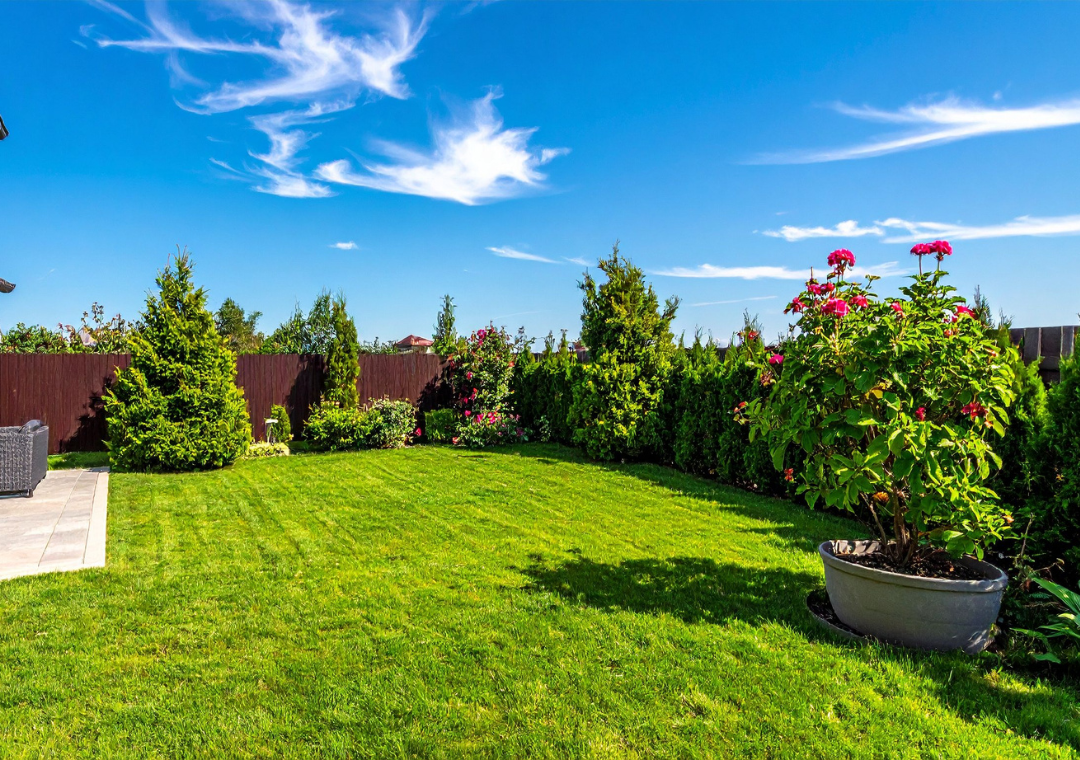
Selecting the right plants involves more than just picking what looks good at the garden center. Factors like soil type, sunlight exposure, drainage, climate zone, and maintenance preferences all play a role in determining what will thrive in your yard.
A well-designed landscape balances aesthetics with sustainability. Native and climate-adapted plants typically require less water and maintenance while supporting local ecosystems. Consider whether you want year-round color, seasonal blooms, privacy screening, or low-maintenance greenery. All that said, that is why we have a great team of professional landscape designers (link) that can help you create a planting plan that aligns with your vision while ensuring long-term success.
4. What’s the Difference Between Hardscaping & Landscaping?
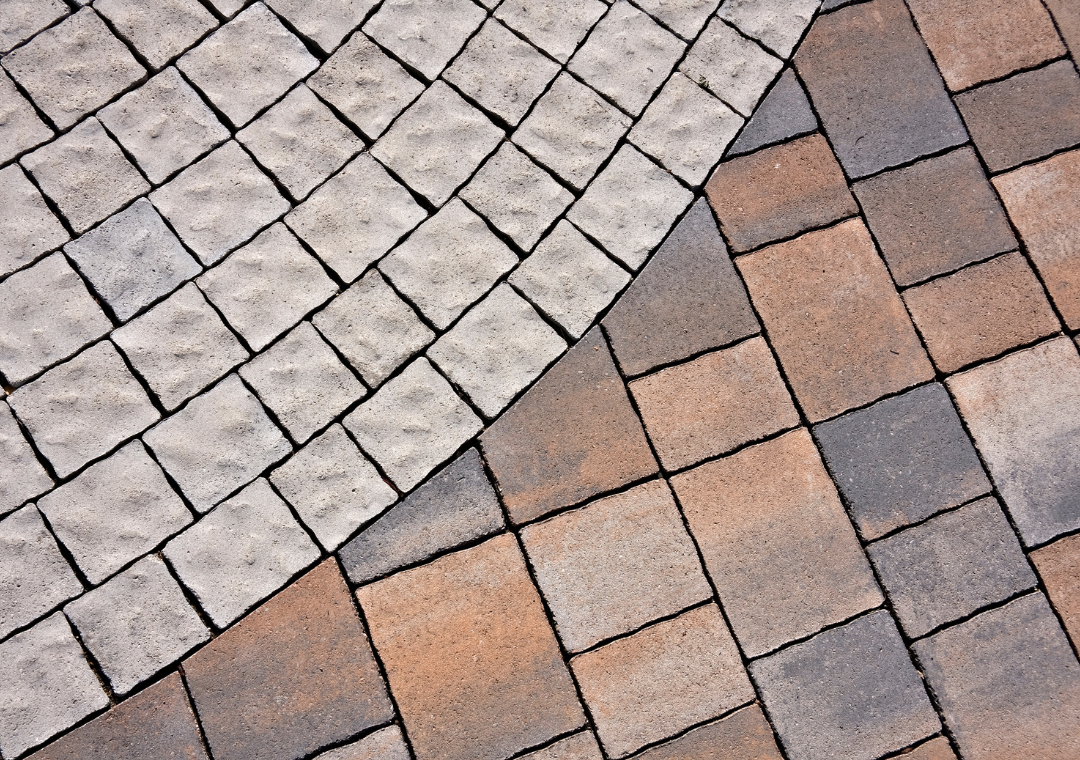
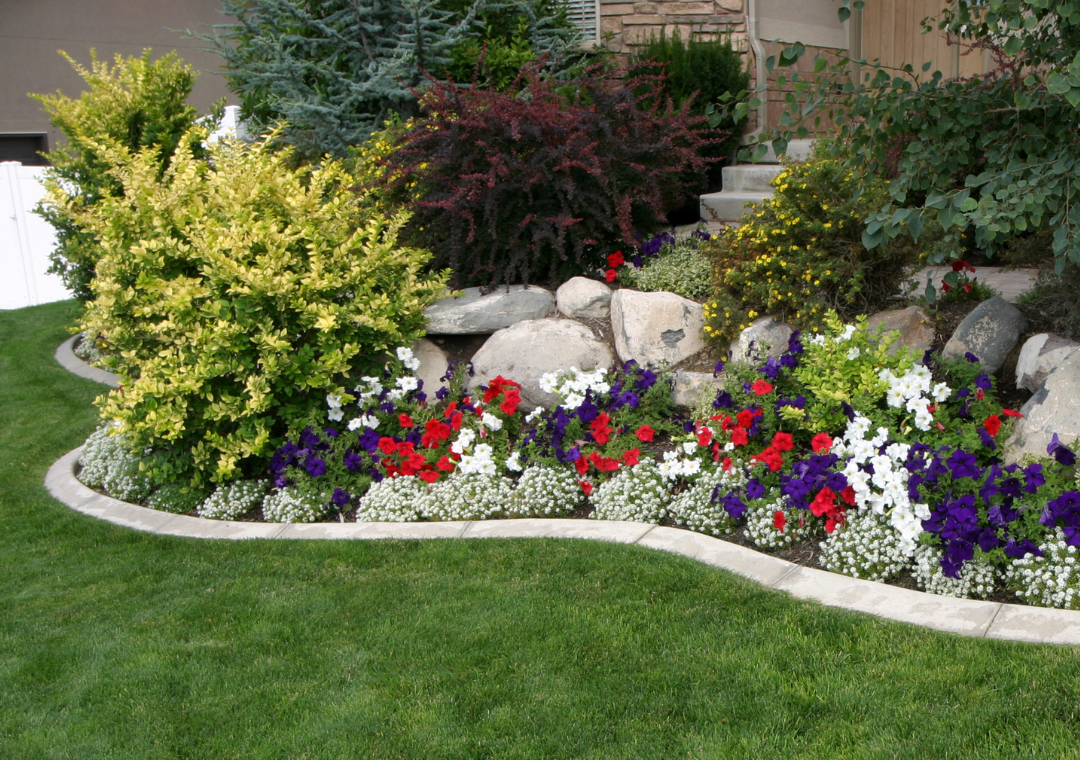
The terms are often used interchangeably, but they refer to different elements of outdoor design. Landscaping typically includes the “soft” elements, such as plants, grass, trees, soil, and mulch. Hardscaping, on the other hand, refers to the non-living features like patios, retaining walls, pathways, and driveways.
A well-designed outdoor space blends both components seamlessly. Hardscaping provides structure and functionality, while landscaping adds beauty and natural appeal. When planned together, these elements create cohesive outdoor living areas that are both practical and visually inviting.
5. How Much Maintenance Will My Landscape Require?
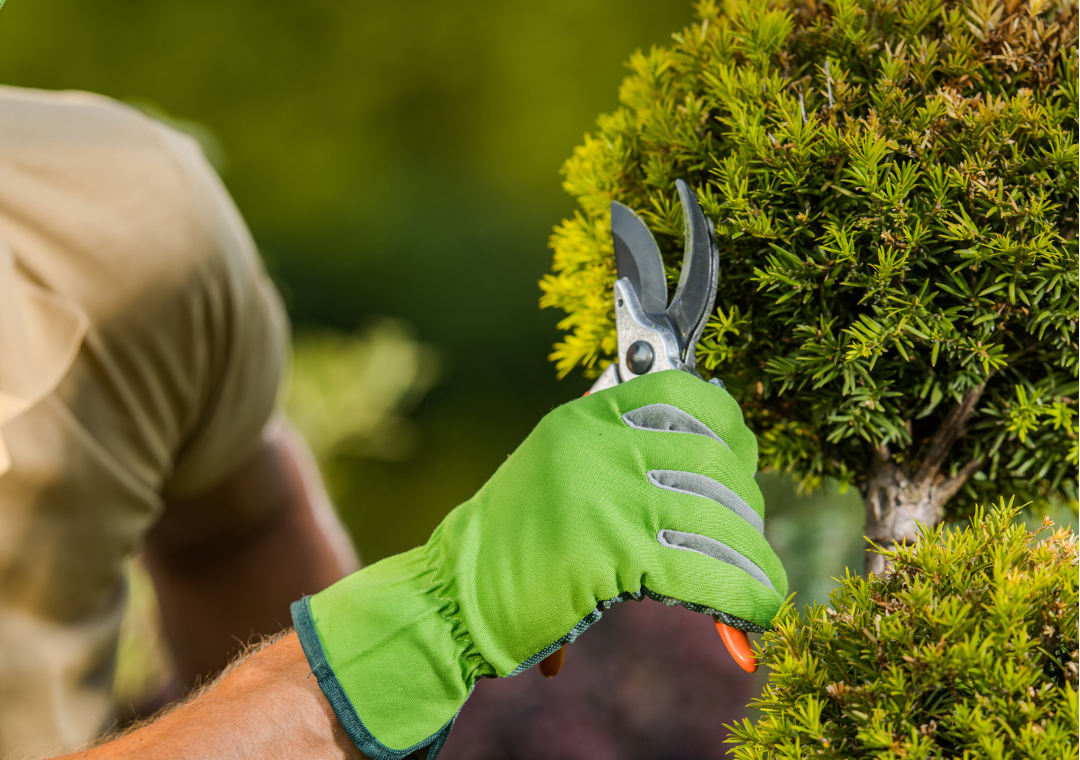
Maintenance requirements depend heavily on the design choices you make. A lush lawn with high-maintenance flower beds will require regular mowing, pruning, fertilizing, and irrigation. Alternatively, a landscape designed with drought-tolerant plants, mulch beds, and naturalized areas can significantly reduce upkeep.
Before starting a project, it’s helpful to be honest about how much time and effort you’re willing to dedicate to maintenance. Many landscape professionals offer maintenance packages to keep your property looking its best year-round. Designing with long-term care in mind ensures your outdoor space remains beautiful without becoming overwhelming. There is such a thing as low maintenance, but never NO maintenance!
Landscaping is both an art and a science. By understanding these common questions, you can approach your project with clarity and confidence.
Love what you read? You’ll love what you see.
Check us out on our YouTube Channel for design tours, behind the scenes and more. @thelandscapelegend