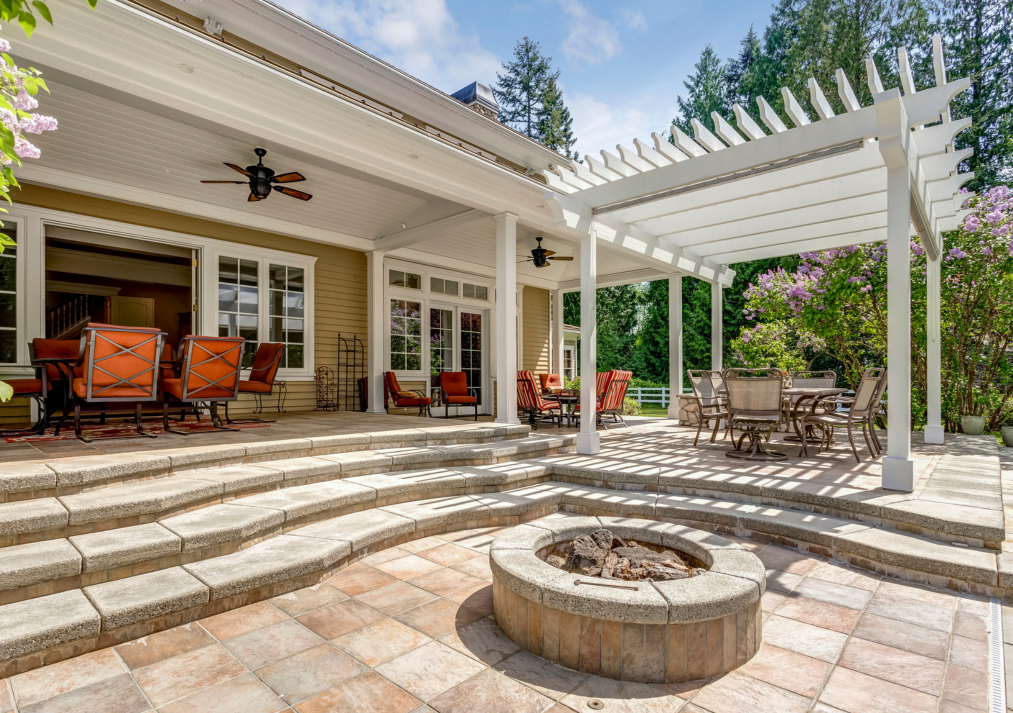
A well-designed landscape is more than a collection of individual features. The most successful outdoor spaces are created when hardscapes and softscapes work together as one cohesive design.
For homeowners planning a landscape design in Hampton Roads, finding the right balance is especially important. The goal is to create an outdoor space that fits the property, complements the home, and provides the right combination of function and natural beauty.
What’s the Difference Between Hardscape and Softscape?
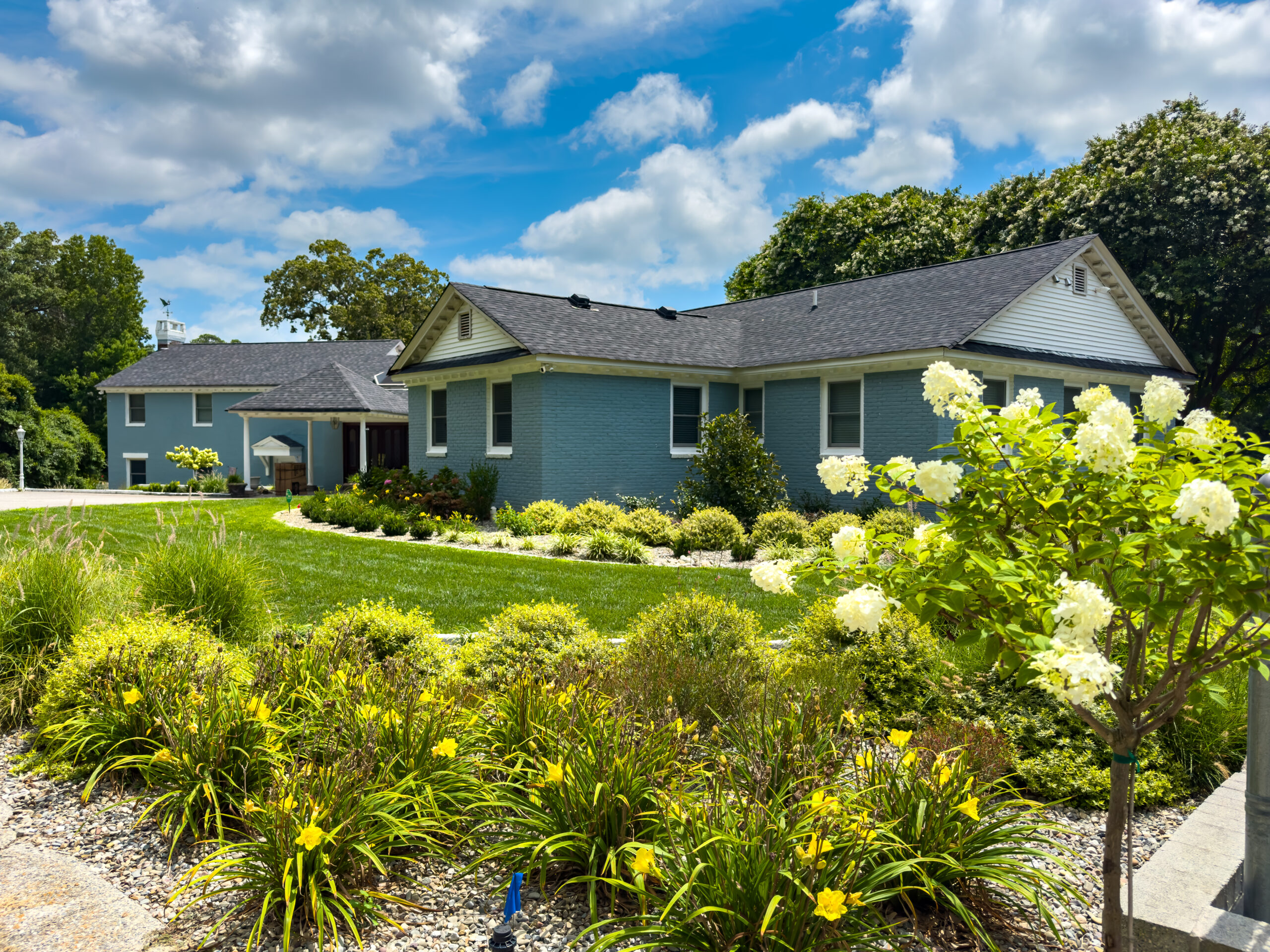
Hardscape refers to the built, non-living elements of a landscape, including patios, walkways, retaining walls, steps, fire pits, outdoor kitchens, and other constructed features.
Softscape refers to the living elements of the landscape, primarily plantings and grass, including trees, shrubs, flowers, and ornamental grasses.
While these two categories serve different purposes, neither should exist independently. Hardscape provides structure and function, while softscape adds life, color, texture, and softness. Finding the right balance between them is what makes a landscape feel complete.
Start With the Hardscape
When designing a landscape, we recommend installing the hardscape first. There are two important reasons for this.
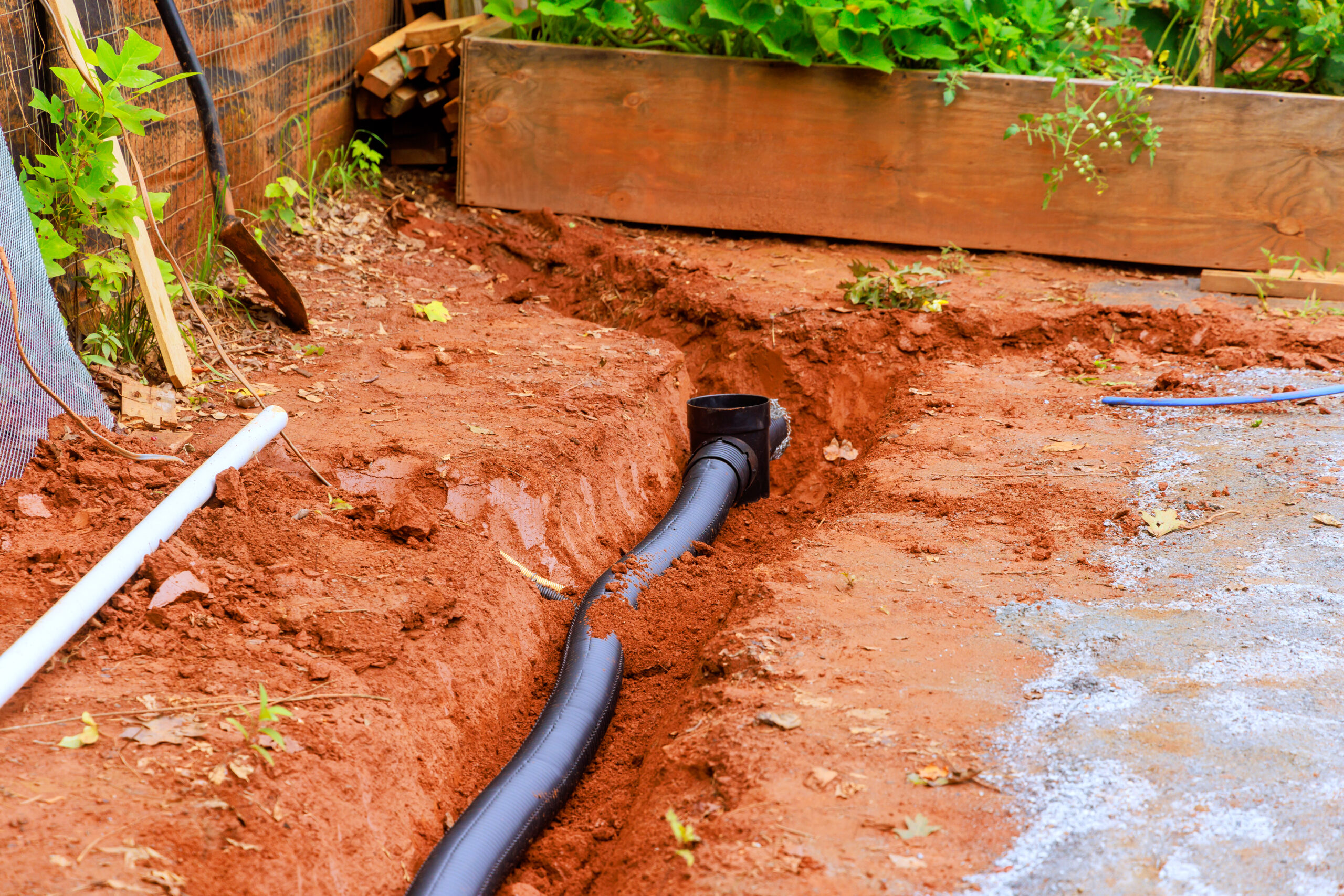
First, hardscape installation is generally more construction-intensive and disruptive to existing areas. Installing patios, walkways, walls, or steps can require excavation, grading, machinery, and significant movement of soil. Completing these projects before planting helps protect new plants from potential damage during construction.
The second reason is just as important: hardscape helps define the space.
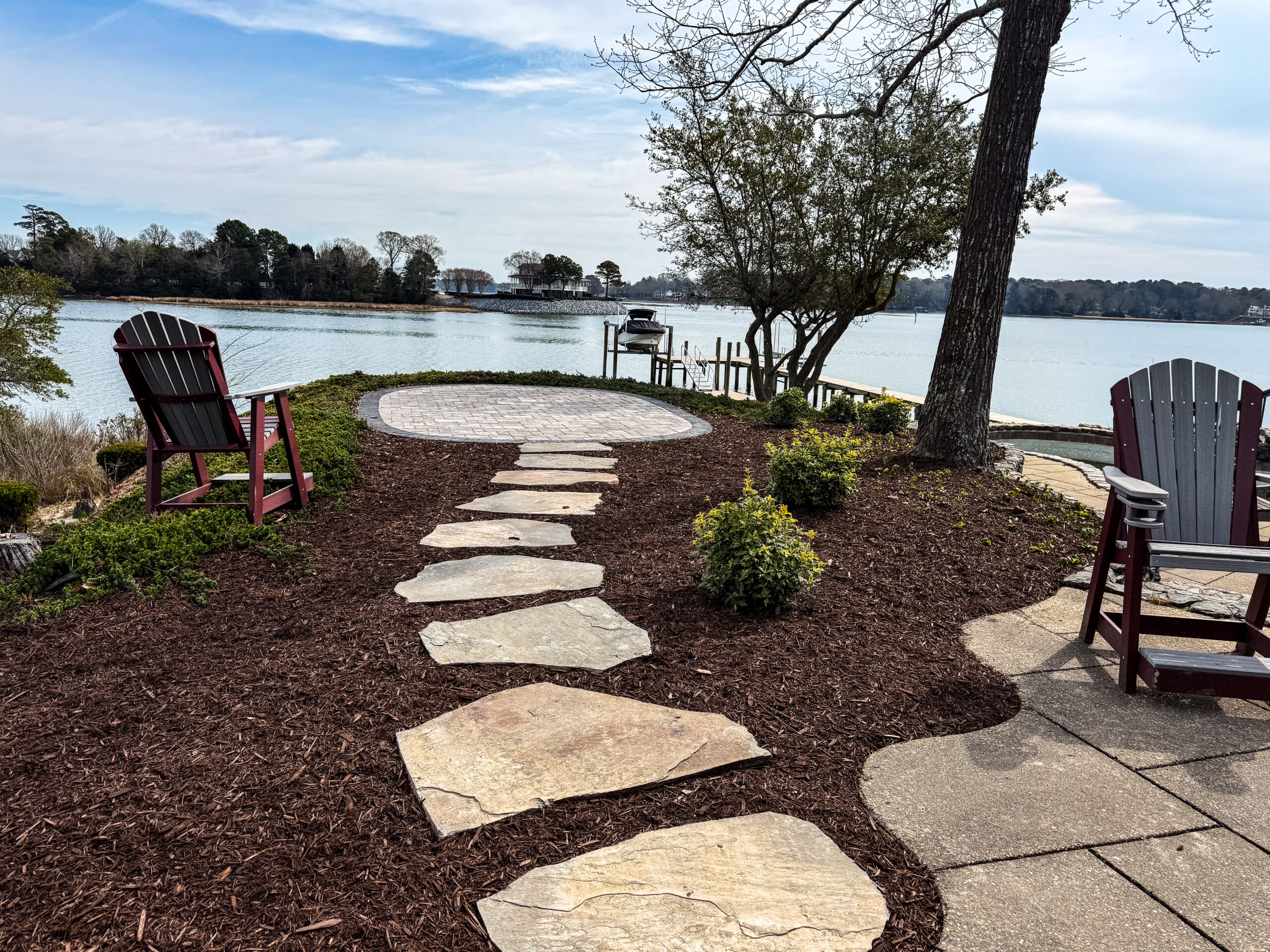
A patio establishes an outdoor living area. A walkway creates a route through the property. A retaining wall can create usable space on a slope, while steps can connect different elevations.
Once these elements are established, the remaining areas become much easier to design. Instead of simply planting wherever there is open space, the softscape can be intentionally designed to enhance and complement the hardscape.
The hardscape creates the framework; the softscape brings it to life.
Creating the Right Balance
Balance doesn’t necessarily mean having an equal amount of hardscape and softscape. The right ratio depends on the property and how you plan to use the space.
Too much hardscape can make a yard feel cold, rigid, or overly constructed. Too much softscape, without enough structure, can make a property feel unorganized or difficult to navigate.
The goal is to create natural transitions between the two.
Plantings can soften the edges of a patio. Grass can provide an open visual break between larger hardscape areas. Trees can bring shade and natural beauty to an outdoor living space, while shrubs and ornamental grasses can frame walkways and define borders.
Think of hardscape as the architecture of the landscape and softscape as what makes that architecture feel comfortable and inviting.
Let Function Drive the Design
The best balance starts with how you want to use your outdoor space.
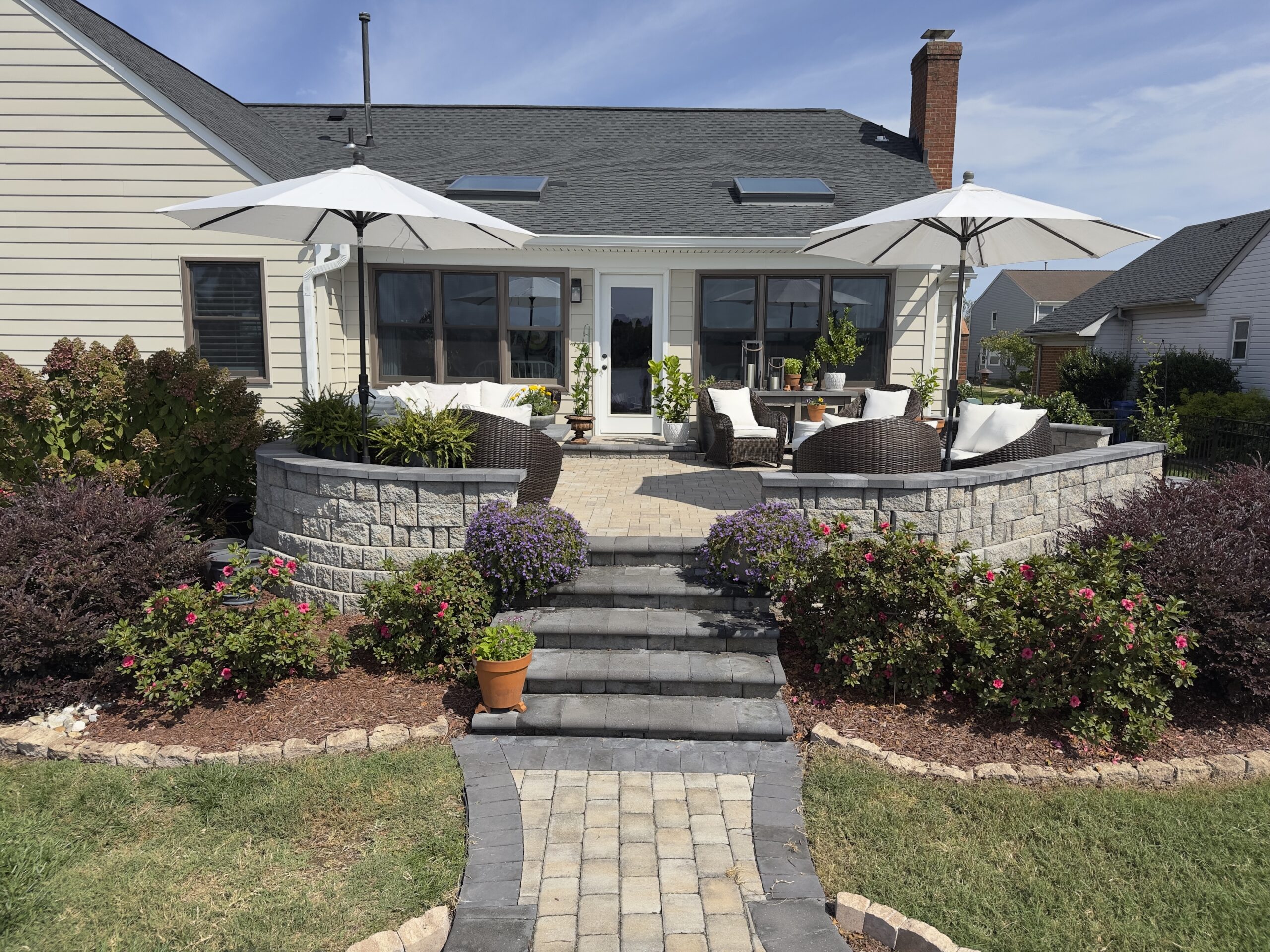
If entertaining is a priority, you may need a larger patio for dining, cooking, and gathering. Planting beds around those areas can soften the space and help it blend into the rest of the yard. For homeowners considering patio installation in Virginia Beach, thinking about the surrounding landscape from the beginning can help the finished patio feel like a natural extension of the property rather than a separate feature.
If you want more open space for children, pets, or recreation, grass may play a larger role. Hardscape can then be strategically placed around the lawn to provide access and define specific areas.
If gardening and relaxation are the priority, a smaller patio surrounded by thoughtfully layered plantings can create a more intimate setting.
The best landscape isn’t necessarily the one with the most features. It’s the one where every feature has a purpose.
Make the Two Work Together
One of the biggest mistakes in landscape design is treating plantings as something that simply fills leftover space.
Instead, softscape should be used to connect and enhance the hardscape.
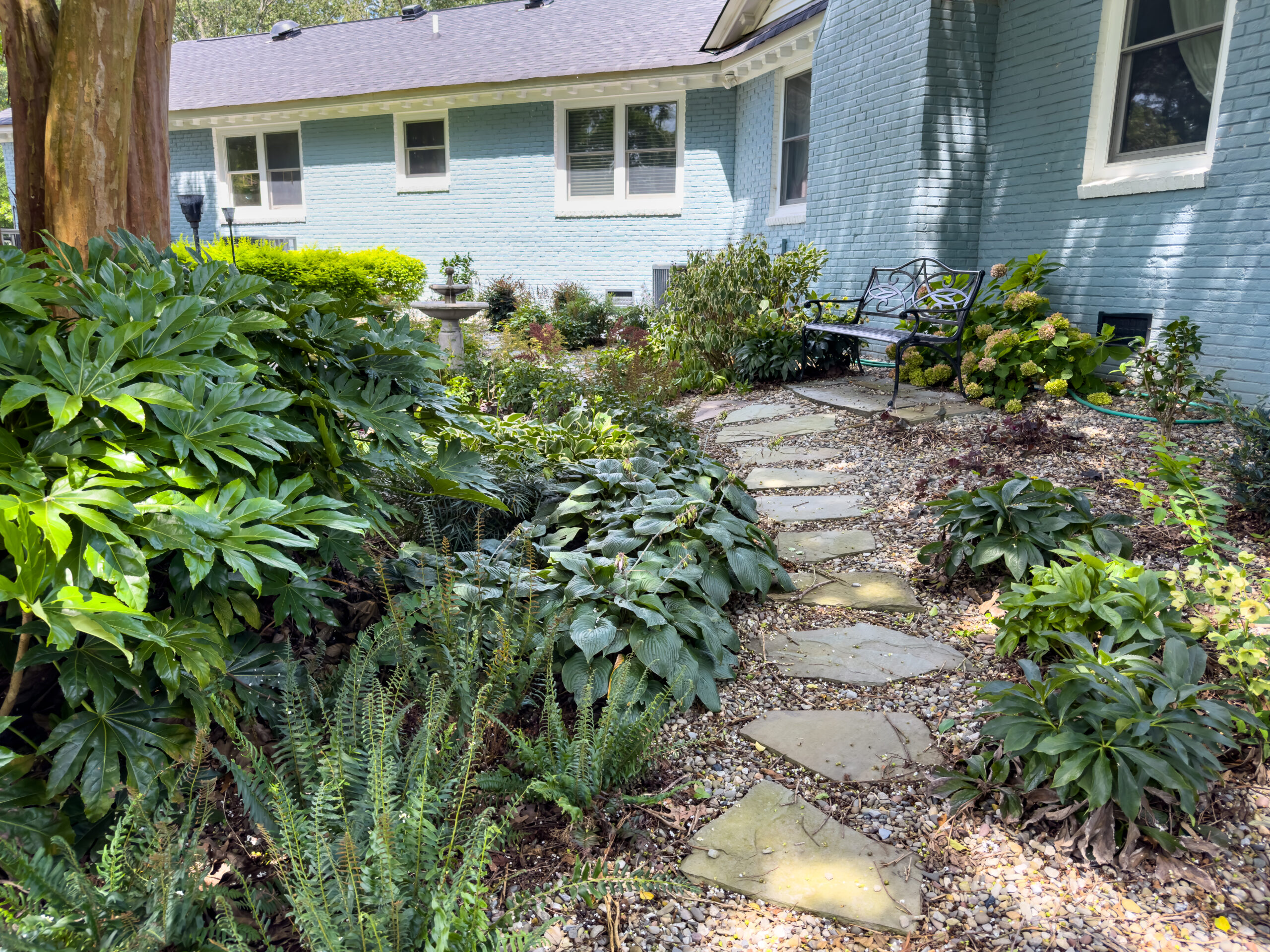
For example, a walkway can be framed with shrubs and grasses, turning a simple path into an important part of the landscape. A patio can transition into the lawn through a planting bed. A retaining wall can become the backdrop for layered plantings that soften its appearance.
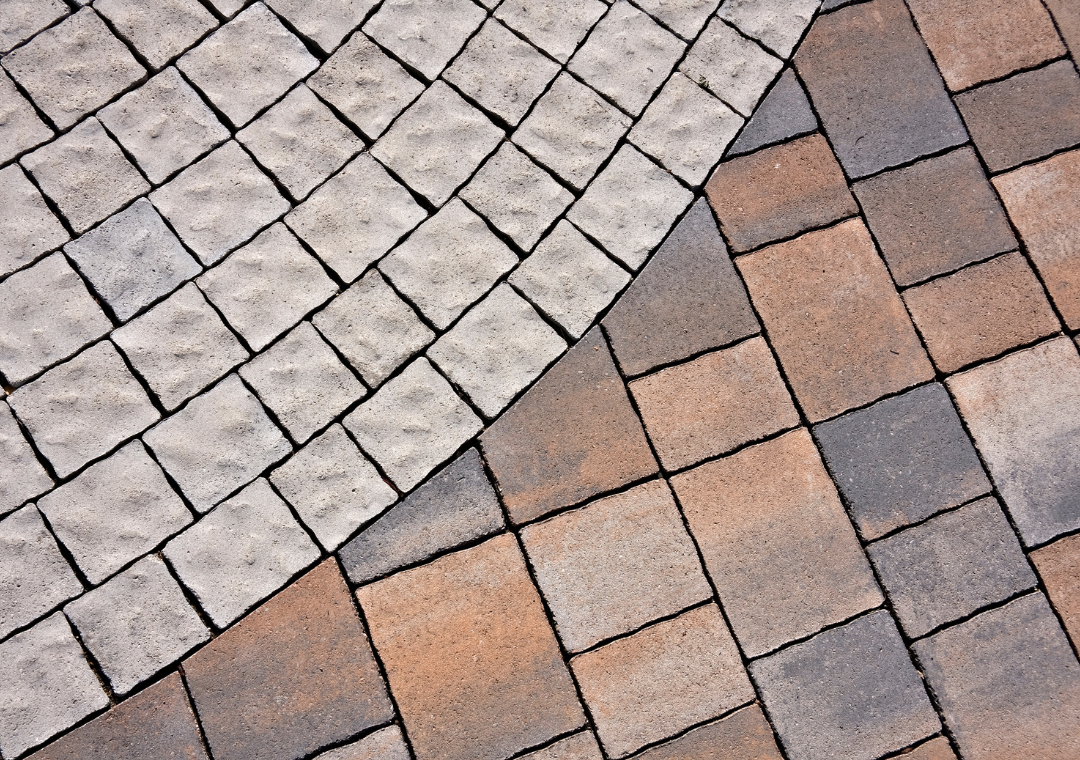
Color, texture, and scale are also important. Hardscape materials such as stone, pavers, brick, or concrete each have their own character. Plantings should complement those materials rather than compete with them.
It’s also important to consider how the landscape will mature. Hardscape provides a relatively permanent framework, while plants grow and change over time. Trees, shrubs, and grasses should be selected with their eventual size and appearance in mind so the landscape remains balanced for years to come.
A Complete Landscape, Not Separate Parts
Although we use the terms “hardscape” and “softscape” to describe different parts of a landscape, the finished design shouldn’t feel divided.
A patio shouldn’t feel like a concrete island surrounded by plants. A lawn shouldn’t feel disconnected from the walkway leading to it. Planting beds shouldn’t look like an afterthought.
Instead, each element should support the others.
Hardscape defines where people gather, walk, cook, and relax. Softscape adds privacy, color, shade, texture, and natural beauty. Together, they create an outdoor space that is both functional and inviting.
By starting with the hardscape, establishing the important spaces, and then using plantings and grass to soften, connect, and enhance those areas, you can create a landscape that feels intentional from every angle.
The perfect landscape isn’t about choosing between hardscape and softscape. It’s about designing them to work together.
Bring Your Landscape Design Together
Whether you’re planning a new patio, updating an existing landscape, or creating a complete outdoor living space, approaching hardscape and softscape as one design can produce a more cohesive result.
Explore McDonald Landscapes’ services to see how these elements can work together, or schedule a design estimate to start planning a landscape tailored to your property.
Love what you read? You’ll love what you see.
Check us out on our YouTube Channel for design tours, behind the scenes and more. @thelandscapelegend